Gryphon III Liquid Propulsion System Testing
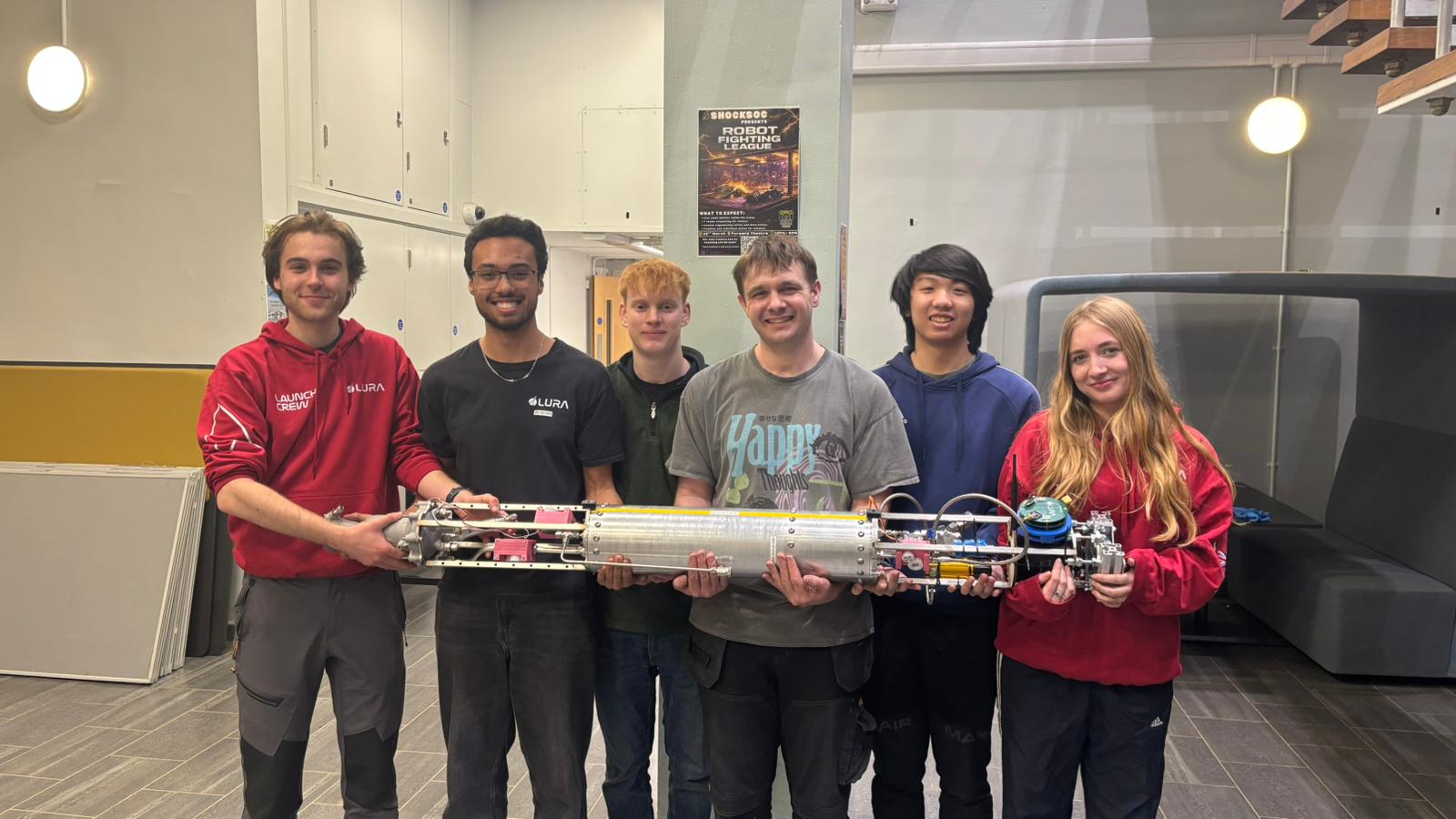
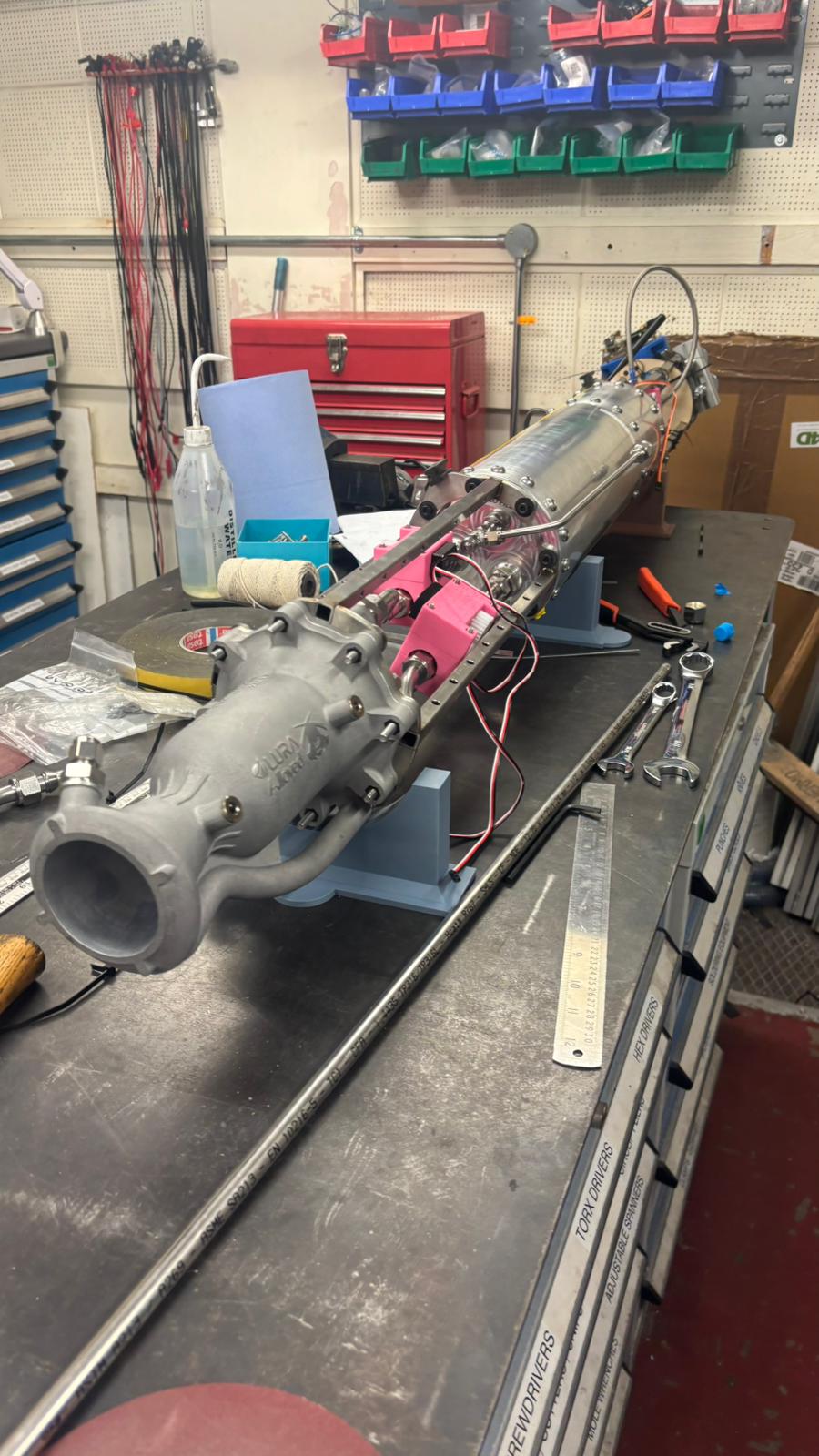
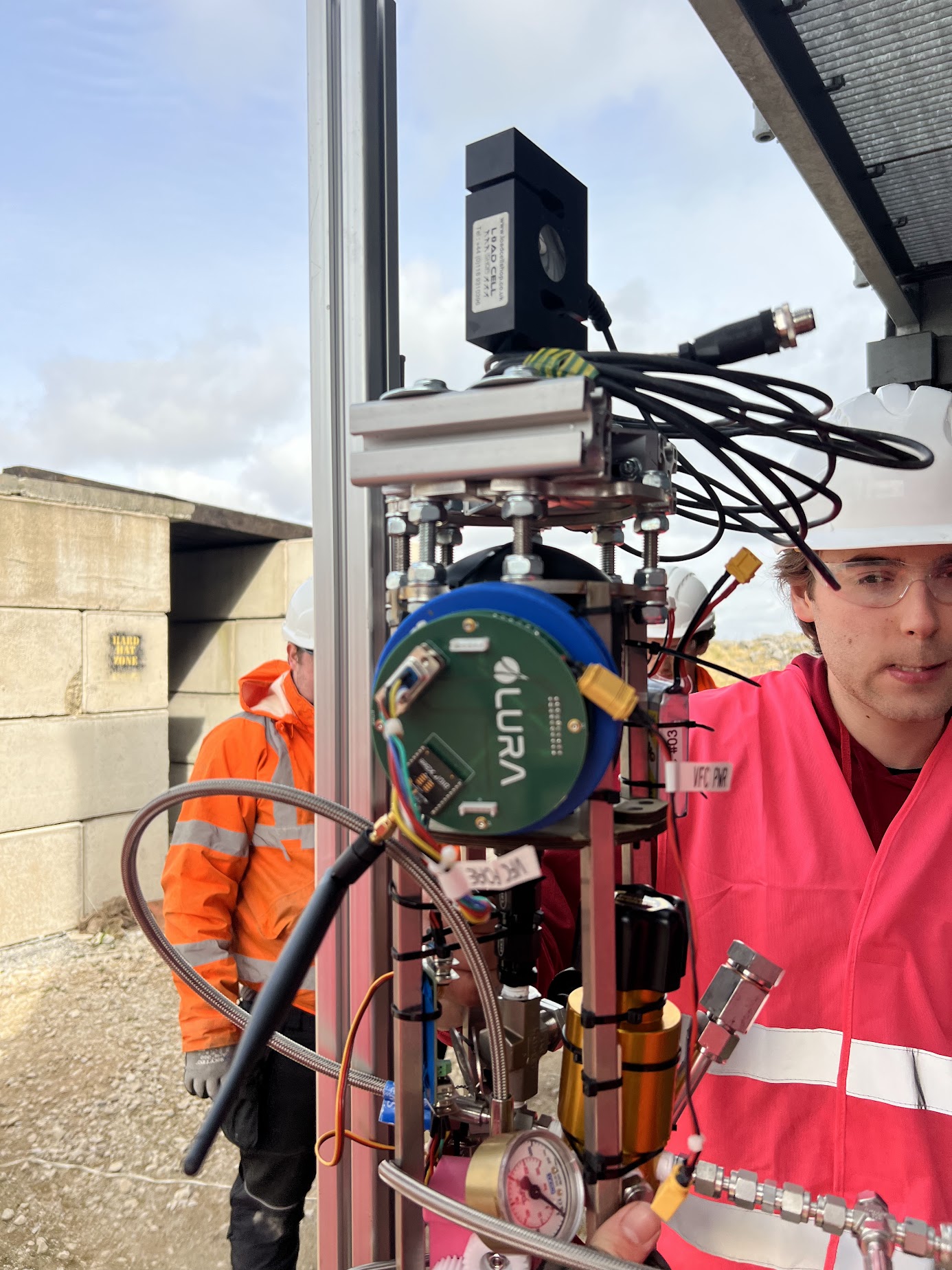
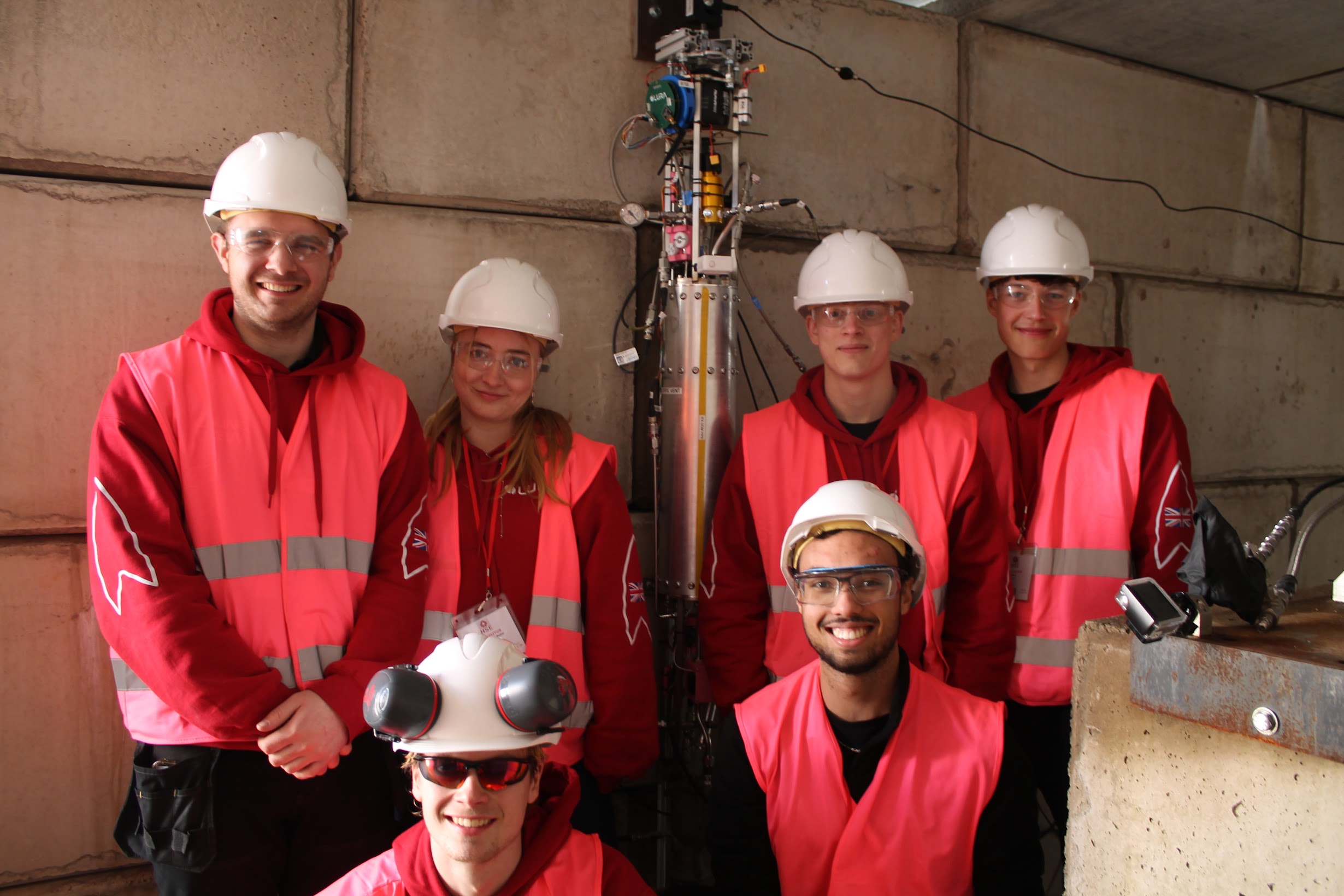
On the 9th, 10th, and 13 of April we at the Leeds University Rocketry Association took our custom propulstion system developed for the Gryphon-III rocket to Sheffield Propulsion Laboratory (SPL) in Buxton, Derbyshire. The goal was to adequately test our system is safe and effective ahead of our planned liquid rocket launch later this year. The overall goal of this project is the be the first liquid bipropellant rocket launch to ever happen on British soil.
Cold flow test
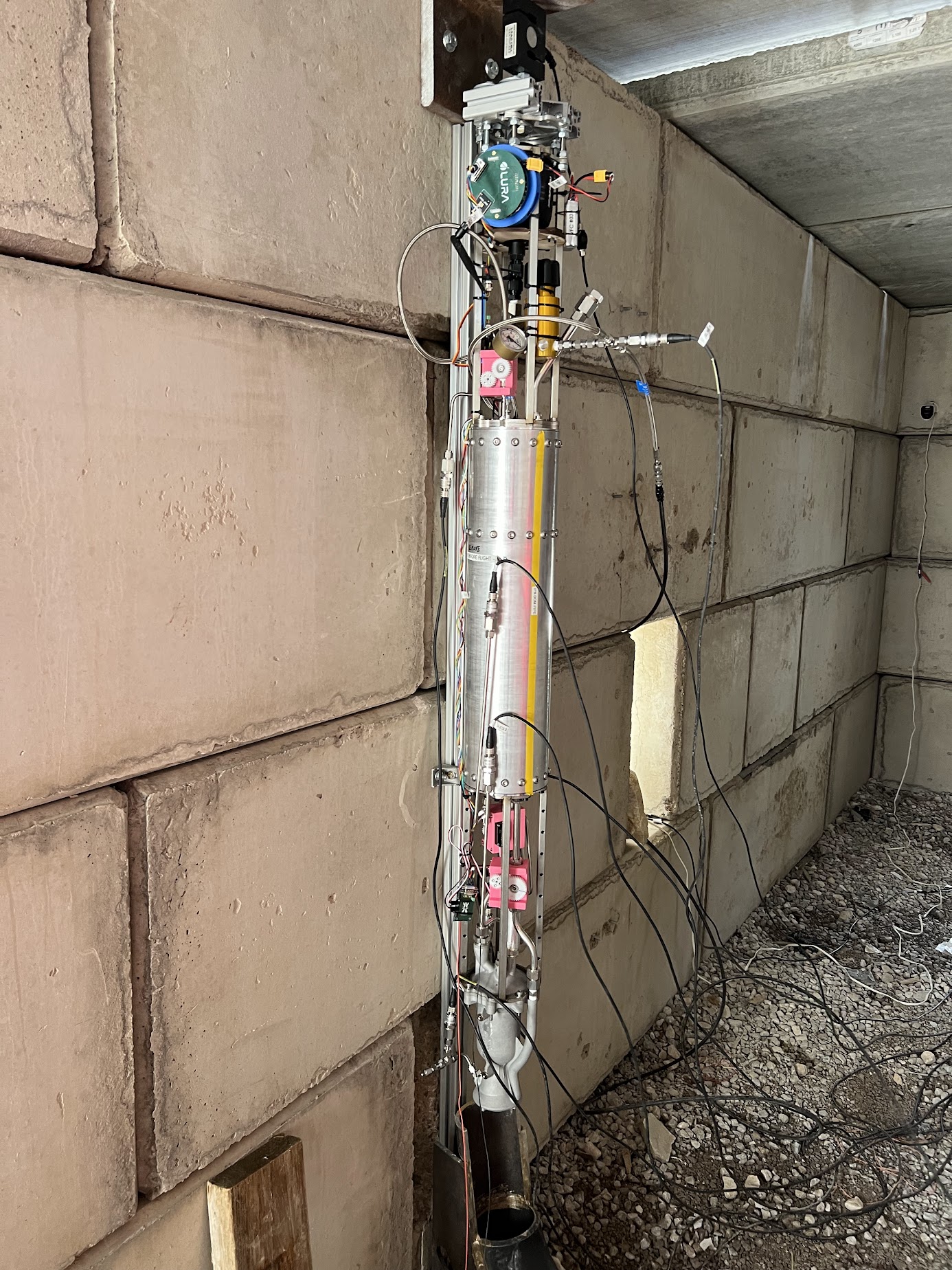
The first objective of the testing campaign was a cold flow, this is when propellants (or equivalent mock propellants) are pressurised into the tanks of the system and a mock-firing takes place. No ignition occurs, hence the cold name. The goal with this test is to test the tanks under pressure, test the valves, control system, etc.
We were really happy with the results of this test, our propellants flowed nicely through the system, the control system functioned perfectly. As you can see we left out an e-match on the left hand side of the vehicle, these are used to ignite the ignitor system onboard, and we figured it would be a more representative test if we could see that happening too.
Hot Fire Attempt 1
The second objective was the most important, the hot fire. This test is exactly what it sounds like, it is a full firing of the propulsion system, with the only difference being that it’s bolted in place to make sure it doesn’t take off on us. A successful hot fire would allow us to confirm the combustion properties of our system, allowing us to procede to launch. The range of outcomes from this test are massive, ranging from a failed ignition to a melt through of the engine entirely. This test had a very good chance of destroying the vehicle entirely.
Well, as you can see, it kind of exploded. After a few panicked seconds in the control room wondering if we’d accidentally blown up a year of work, we saw that the vehicle was miraculously undamaged. All that had happened was our ignitor system had exploded. This had occursed at an earlier testing session, and was due to a known defect in the Klima C-6 solid rocket motors we were using to ignite our propellants. So after all that, there was nothing we could have done to fix this on the day. We had to go home without a successful test.
Thankfully, the kind folks at SPL let us come back the following Monday for another run, this would be our last attempt at getting this system through testing. We took the weekend to organise ourselves after an incredibly hectic week and vowed to return on Monday and get this thing fired.
Hot Fire Attempt 2
After getting the vehicle setup, we had another hotfire attempt where we failed to ignite the propellants. So we basically got another cold flow done. A failed ignition is a very common failure mode, usually resulting from a misbalanced Oxidiser/Fuel ratio inside the combustion chamber. While this is an over simplification: Too much fuel = no ignition. Too much Oxidiser = rocket melts or blows up. We were naturally erring on the side of caution and this resulted in a failed ignition.
At this point, the issue with this system as designed was obvious. Our system uses externally pressurised fuel (IPA), meaning we can tune the pressure we want exactly, but uses self-pressurised Nitrous Oxide. This means the pressure of our oxidiser is mostly a function of the temperature of the tank. This makes getting the oxidiser up to pressure is much more difficult. While using self-pressurised Nitrous Oxide is common, we had assumed a much higher Nitrous Oxide (oxidiser) pressure than we were getting. This was resulted in much lower O/F ratios and causing our ignition issues.
Hot Fire Attempt 3
The only thing we can do on the day was to further lower our fuel pressure, fixing the O/F ratio but massively reducing our thrust. We made some tweaks to the fuel ratio and sent it out for another test. At this point, the vibes were not fantastic. We had spent weeks of lots of work and little sleep on this thing and we were all desparate to just see something come from this.
Look, is this the most successful rocket test ever seen? No… But that’s a rocket engine doing rocket engine things! It produced ~1.1kn of thrust over a period of time so short I’m not even going to double check exactly how many milliseconds it even was. This is not enough to get a sufficient thrust-to-weight for launch, meaning this is ultimately a failed test. Regardless we learned an incredible amount about the operation of a liquid bipropellant rocket propulsion system. This project essentially started in February and so getting this together was a major effort. I am incredibly proud of the work done on this project by everyone on the team.
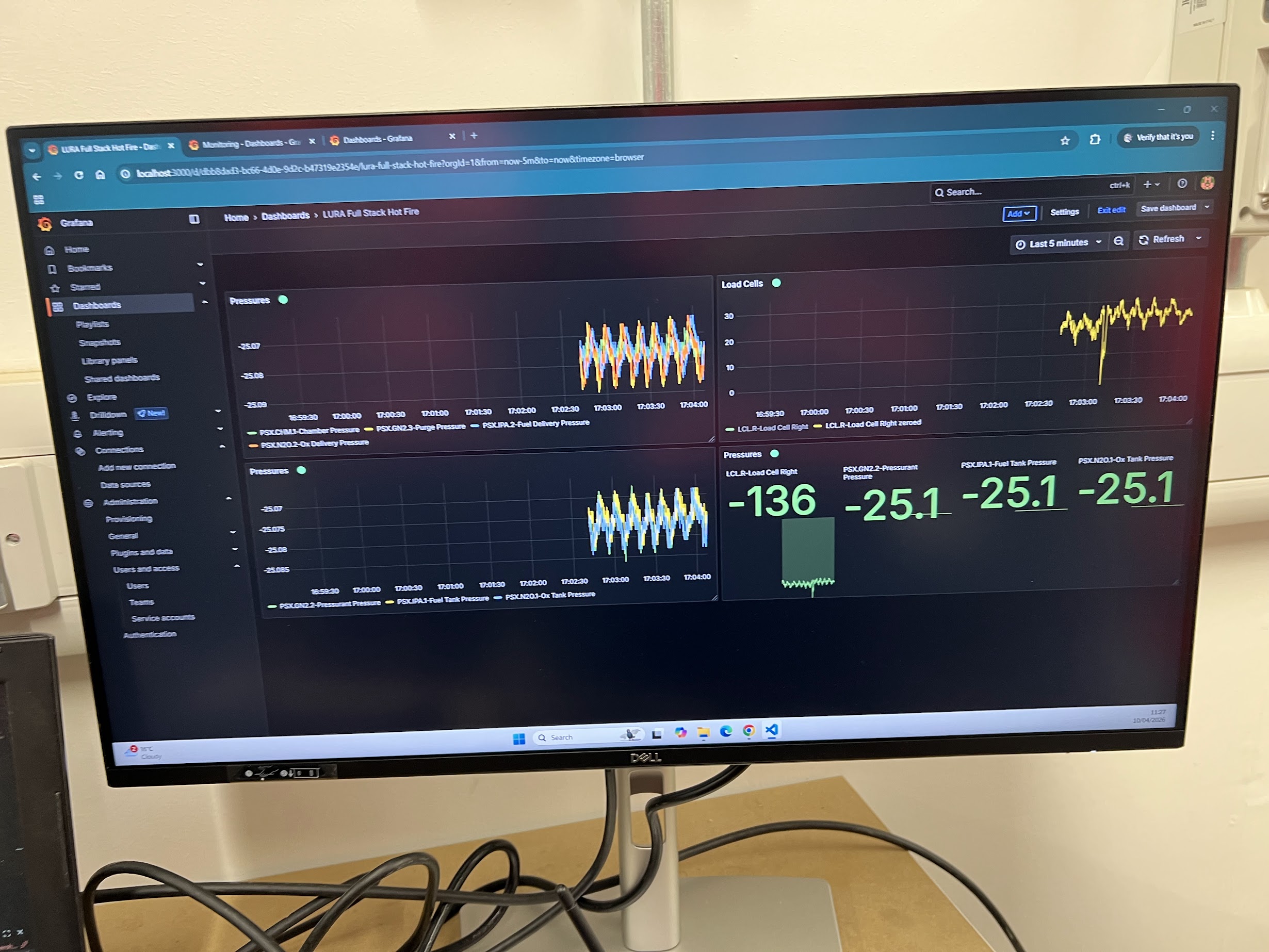
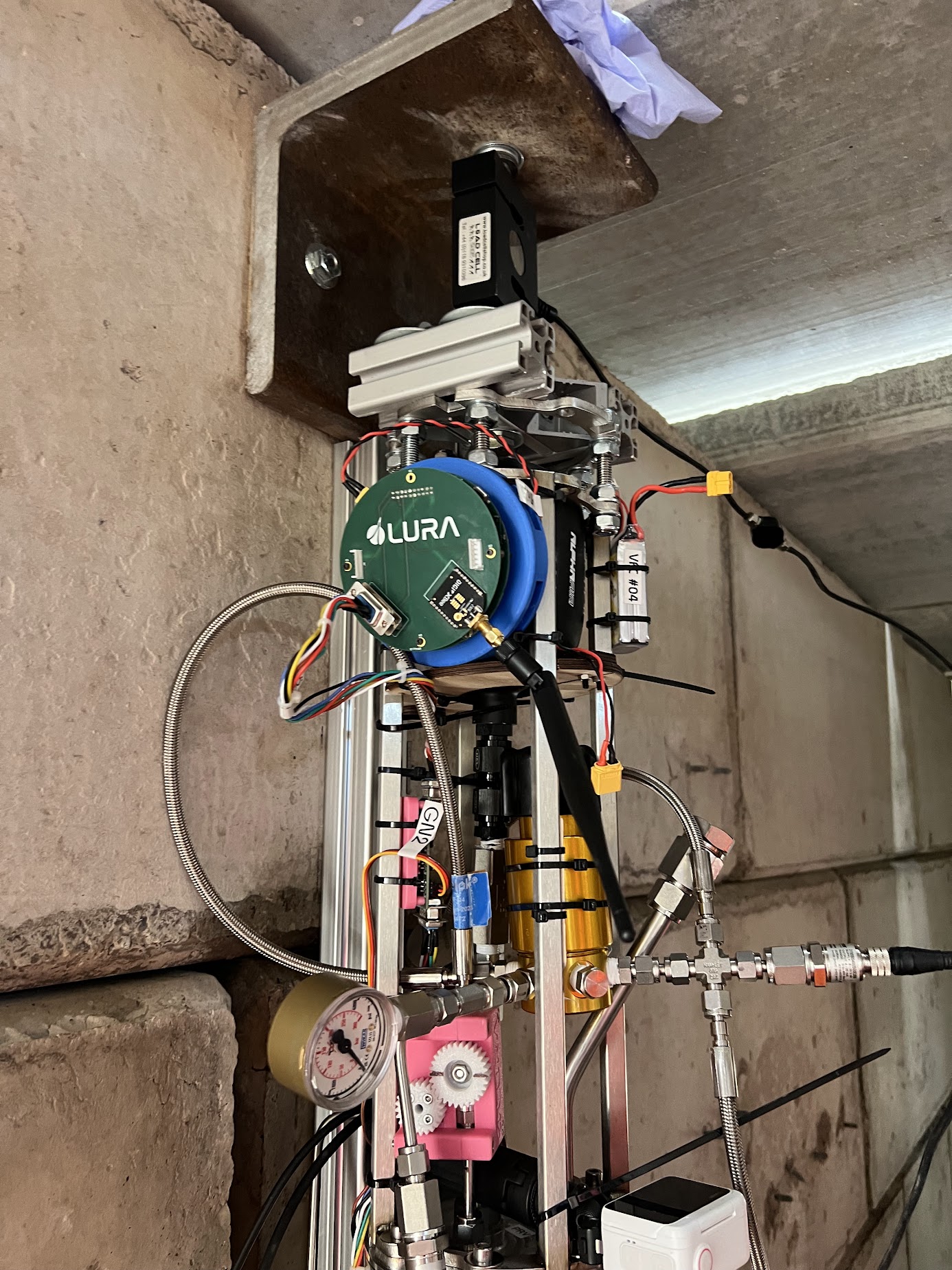
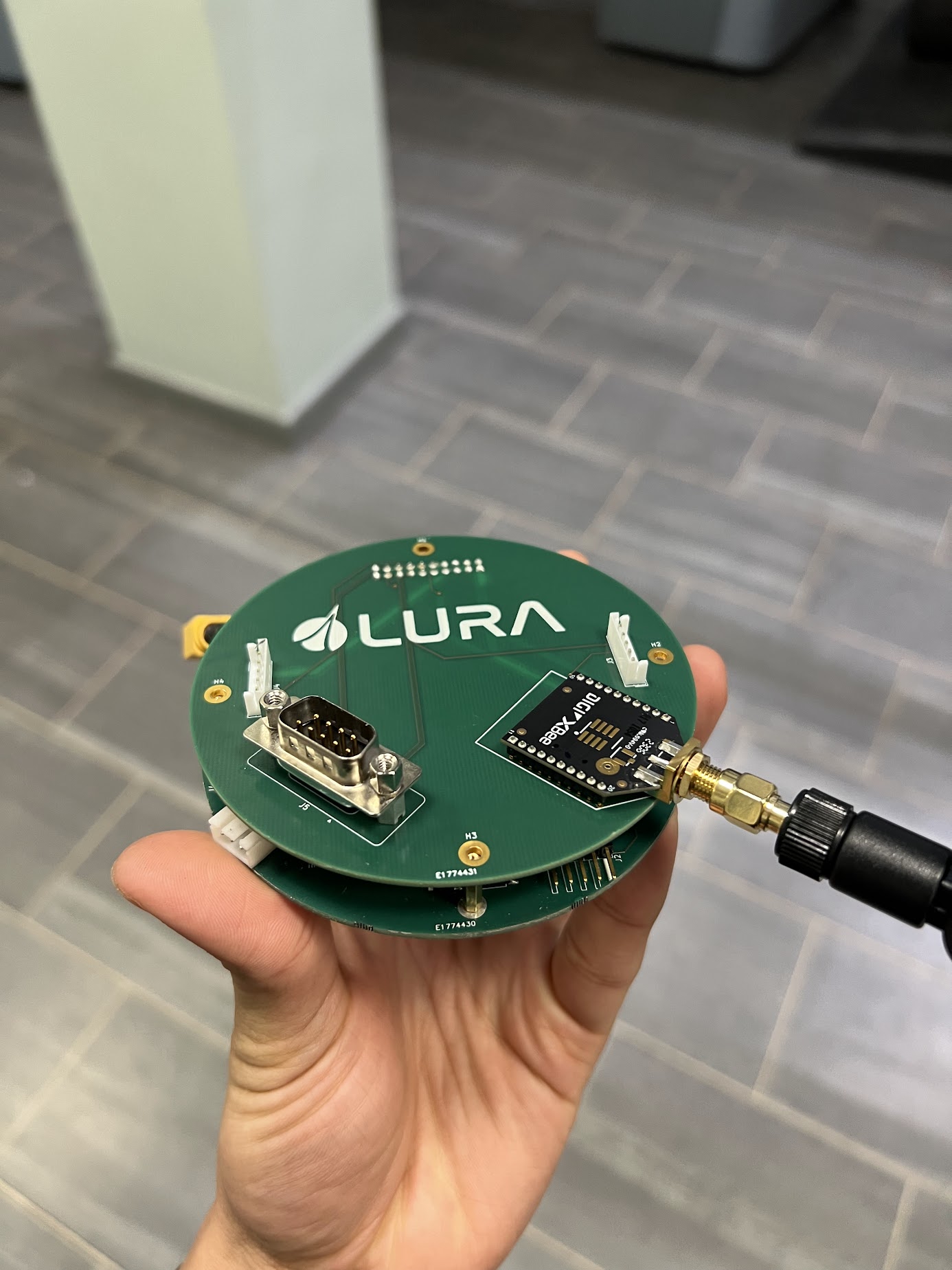
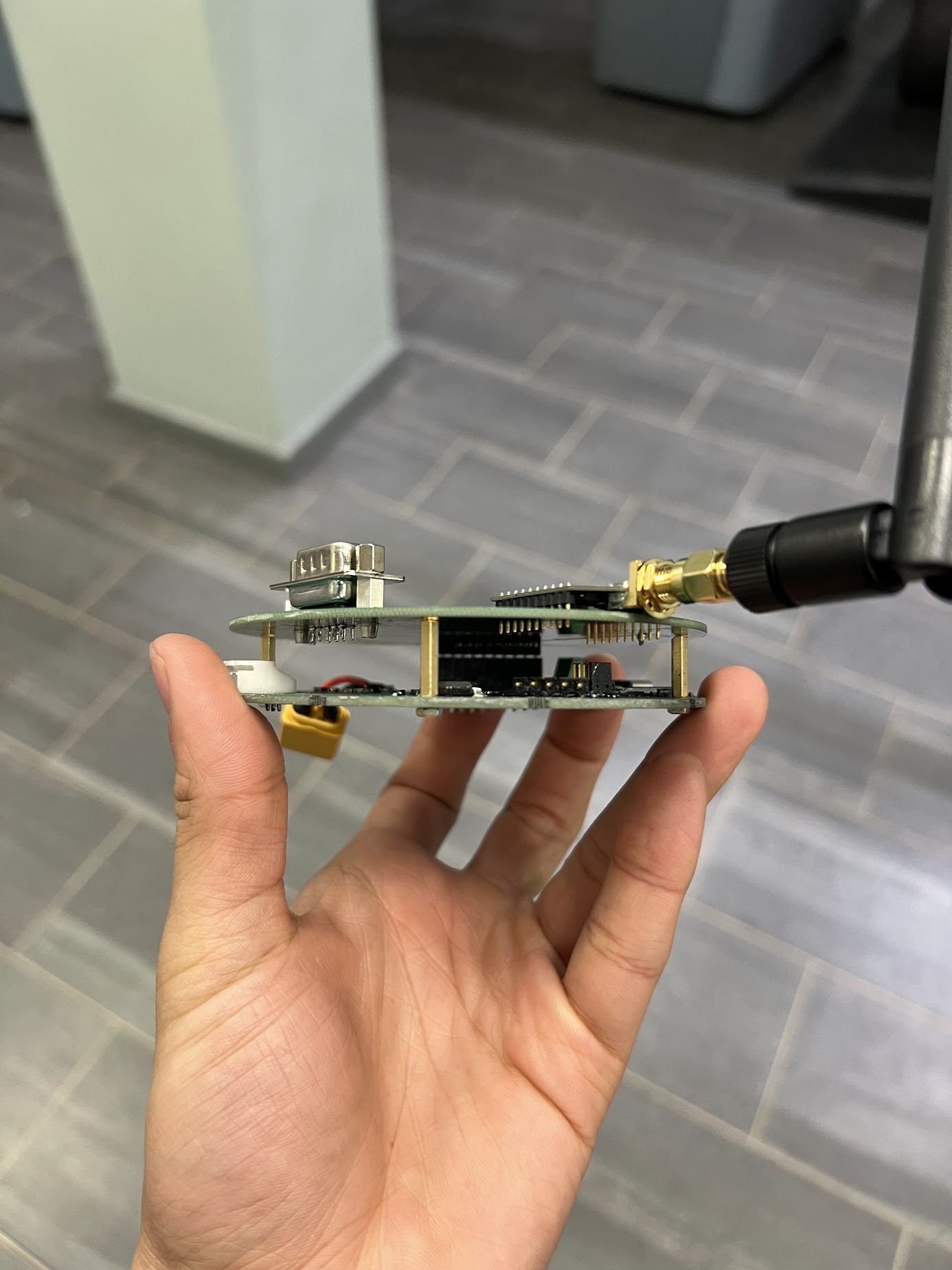
Personally, I am amazed as how well the avionics I built system worked. Lots of people thought developing our own custom control system wasn’t a great idea, maybe they were right, but I powered ahead and it worked (bar a couple of dropped radio connections).
Seems like the plan is to return to Buxton in sometime in June for another test day with the hope of actually getting this thing up to full power. Our plan for fixing the Nitrous Oxide pressure is to:
- Heat the fill tank with a roll of underfloor heater to gain higher fill pressures.
- Modify the engine injector Nitrous Oxide orifices to be larger, gaining higher oxidiser flow rates with lower pressures. We expect this to lower our required Nitrous Oxide pressure from ~55 bar to ~35 bar. This should be much more achievable.
I wanted to add that this was easily one of the most fun and rewarding experiences of my life. This is the sort of thing that I dreamed of as a 13 year old space nerd. This team was an absolute blast to work with, and the team at SPL were both incredibly helpful and a great laugh. Thank you to everyone for this experience.
Some pictures